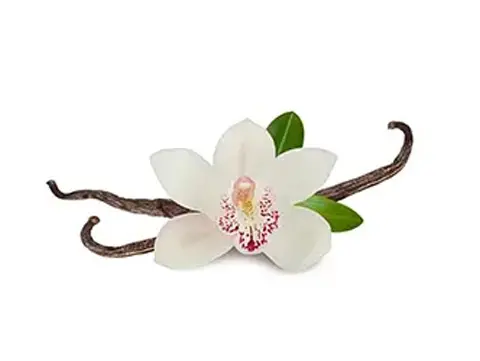
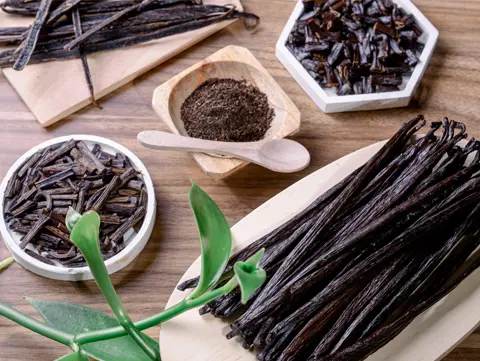






Vanillin in food is primarily used to impart a sweet, creamy vanilla flavor to a wide range of products. It is commonly added to ice cream, chocolate, baked goods, and beverages. Besides enhancing flavor, vanillin helps stabilize aromas, ensuring a consistent sensory experience throughout the product's shelf life.
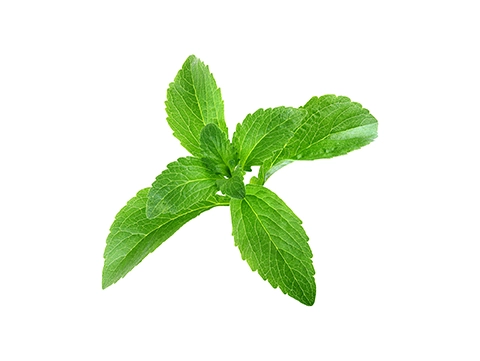
One important function of natural vanillin in food is its ability to mask bitterness and off-notes. This property is especially useful in products containing alternative proteins such as pea or soy, as well as in formulations with high-intensity sweeteners like stevia. By masking these undesirable tastes, natural vanillin improves overall palatability.
Beyond flavoring, vanillin in food exhibits antioxidant and antimicrobial effects. These properties contribute to food preservation by inhibiting spoilage microorganisms and reducing oxidative stress. This helps extend shelf life and maintain product quality.
Vanillin in food is highly versatile and finds use across many product categories. Its combination of flavor enhancement, taste masking, and preservation benefits makes it a valuable ingredient. Whether in sweet treats or functional foods, vanillin improves both sensory appeal and functional quality.
| Function | Description |
|---|---|
| Flavor Enhancement | Provides a sweet, creamy vanilla flavor. |
| Aroma Stabilization | Maintains consistent aroma throughout shelf life. |
| Masking Unpleasant Tastes | Conceals bitterness and off-notes in alternative protein or sweetener-containing products. |
| Antioxidant and Antimicrobial | Helps preserve food by reducing spoilage and oxidative damage. |
In conclusion, vanillin in food plays multiple roles beyond just flavoring. Its functional benefits, including masking undesirable tastes and offering antioxidant and antimicrobial properties, make it an indispensable component in the food industry.